AI Reality Check, a nationwide campaign – Nov 14
Saturday, November 14, 2026 · coast to coast
AI Reality Check is a nationwide campaign about the risks AI already poses to our jobs, our kids and our towns – and what we can do about them. From living rooms to libraries, volunteers will deliver the same short presentation to educate and activate their communities.


Shared Saturday, turning local events into a national wave.
States open for hosts, in big cities and small towns alike.
Experience required. Training and coaching are there if you want them.
The presentation, in three acts
Every presentation covers the same ground: what AI really is, the risks it creates, and what we can all do about it.
Act 1. The State of AI
How far AI has come, how fast it's moving, and why the companies building it are the ones writing its rules.
Act 2. What's at Stake
AI is showing up everywhere: Flock cameras in our neighborhoods, data centers in our communities, and chatbots changing what friendship and education look like for our kids – plus the catastrophic risks that many experts predict are just around the corner.
Act 3. What To Do About It
Commonsense ground rules, a cross-partisan majority, and a plan people can join before they leave.
Not a boring PowerPoint
Real audience participation, rich media and plain language. No jargon, no lecture, no reading off the slides – the kind of event people talk about on the way home.
No expertise required
The slides, the script and the coaching are all provided. A first-timer can lead this.
Every event builds a base
Every event ends with a clear ask and a sign-in sheet, so that AI education can turn into strategic action.
Training (If You Want It)
On demand, online, self-paced
Short modules you can work through at whatever speed suits you.
Live online workshops
Practice the run-through with other presenters, ask the awkward questions, and get feedback in real time.
Hosting, step by step
-
Pick a venue
Your living room counts. So does a library meeting room, a community center, or a lecture hall at the local college.
-
Invite people
Keep your event private and invite friends or family – or make it public and spread the word far and wide.
-
Get trained (if you want)
For a bit of extra support you have options: watch an on-demand video, or join a live online session with other hosts.
-
Run the presentation
The slides and the script are provided. Learn the material once and it is yours to deliver in your own words.
-
Report back
Share photos, sign-up sheets and your local plans, so the campaign turns into a movement.
Help filling the room
Running a public event? The AI Reality Check team will help recruit an audience and get the word out locally – you are not promoting it alone.
Help with costs
A small stipend is available for promotional materials, venue hire and equipment rental. Ask when you apply.
What will the events look like?
A dozen neighbors in a living room, or a packed community hall. The presentation is the same in every room – hosts shape everything around it to suit what they want the event to be.
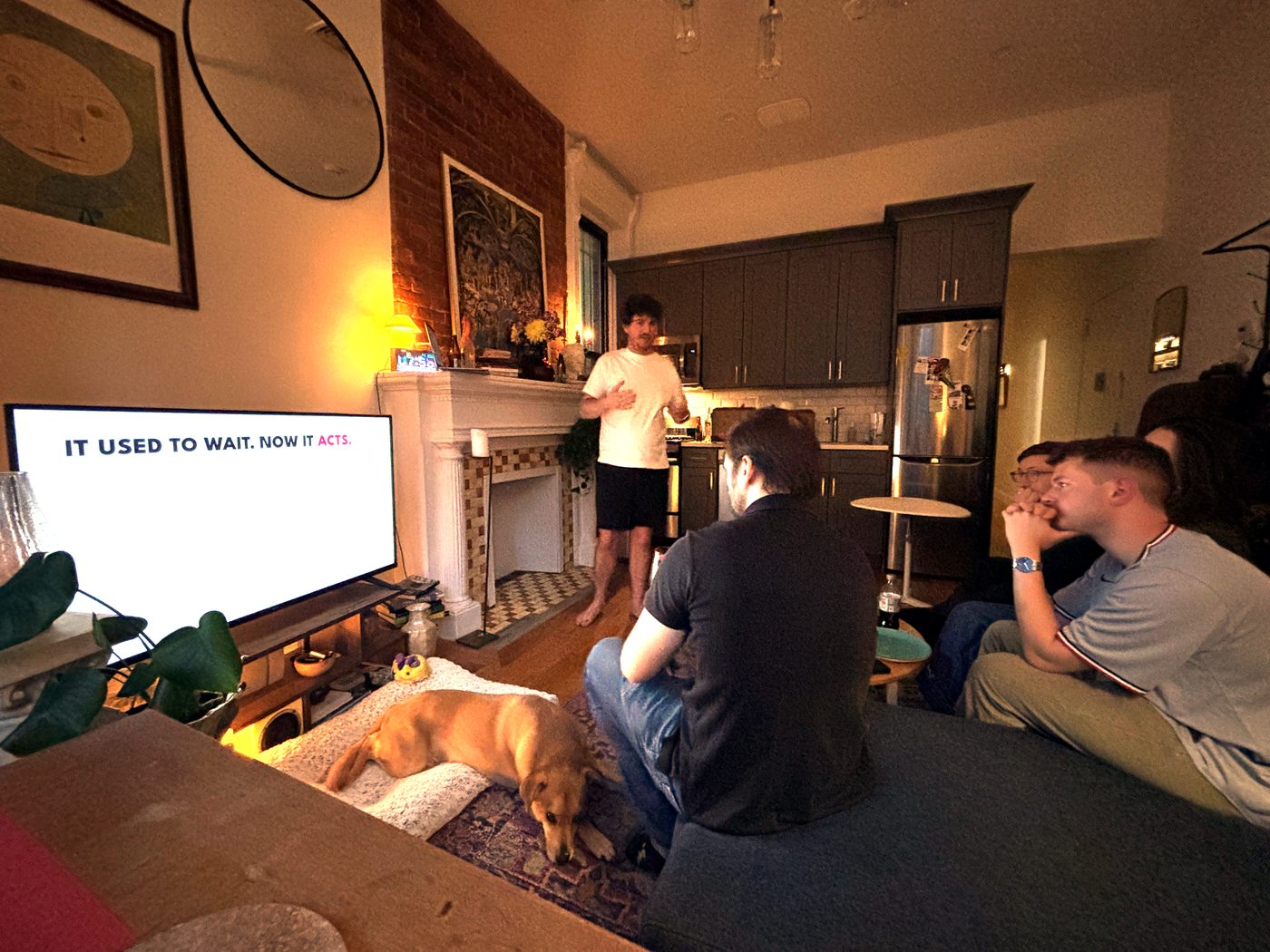
Living rooms
A first-timer and a handful of friends. The low-barrier way in, and the most common kind of event – no booking, no budget, no stage.
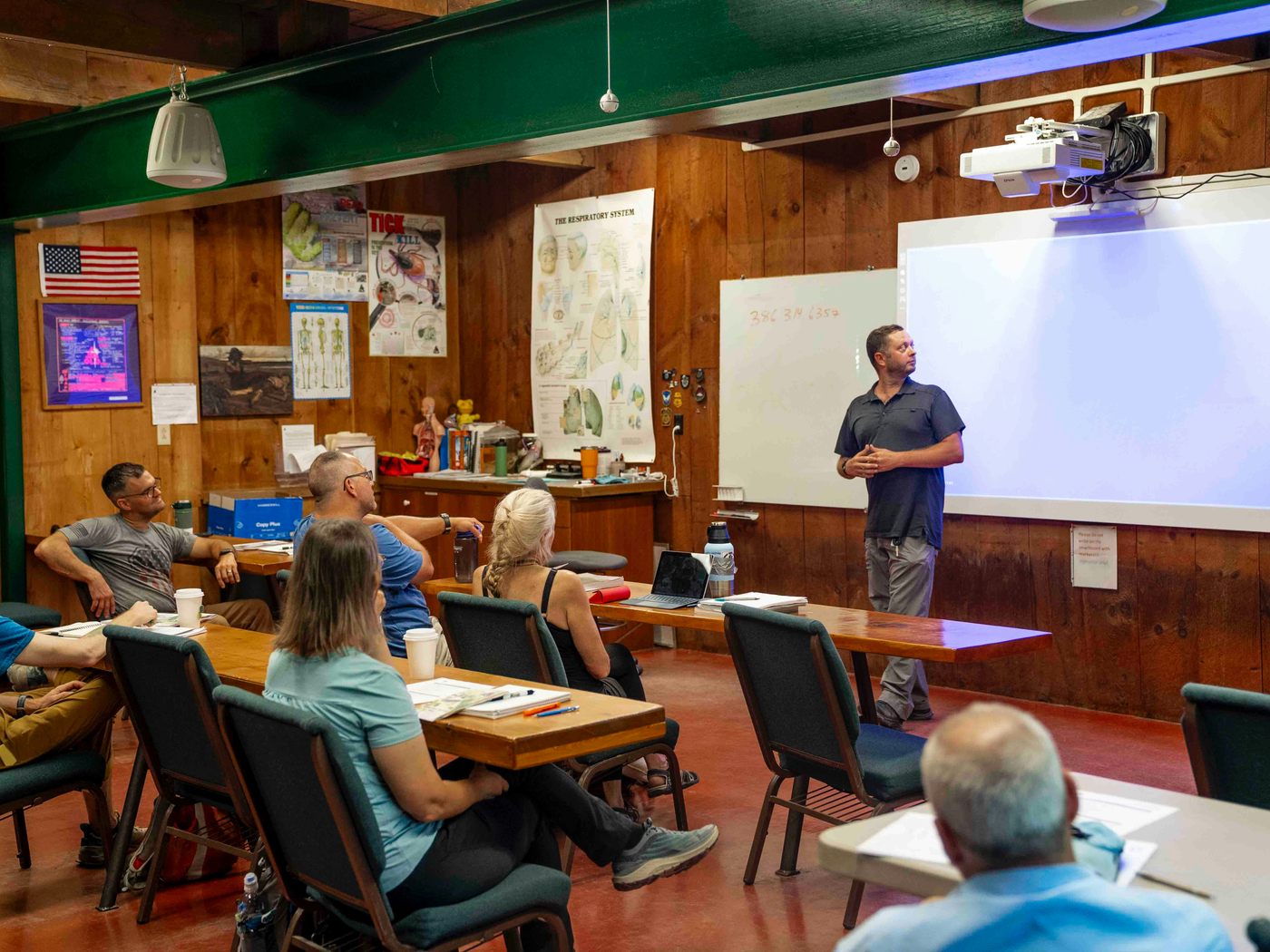
Community spaces
Libraries, union halls, congregations, veterans posts.
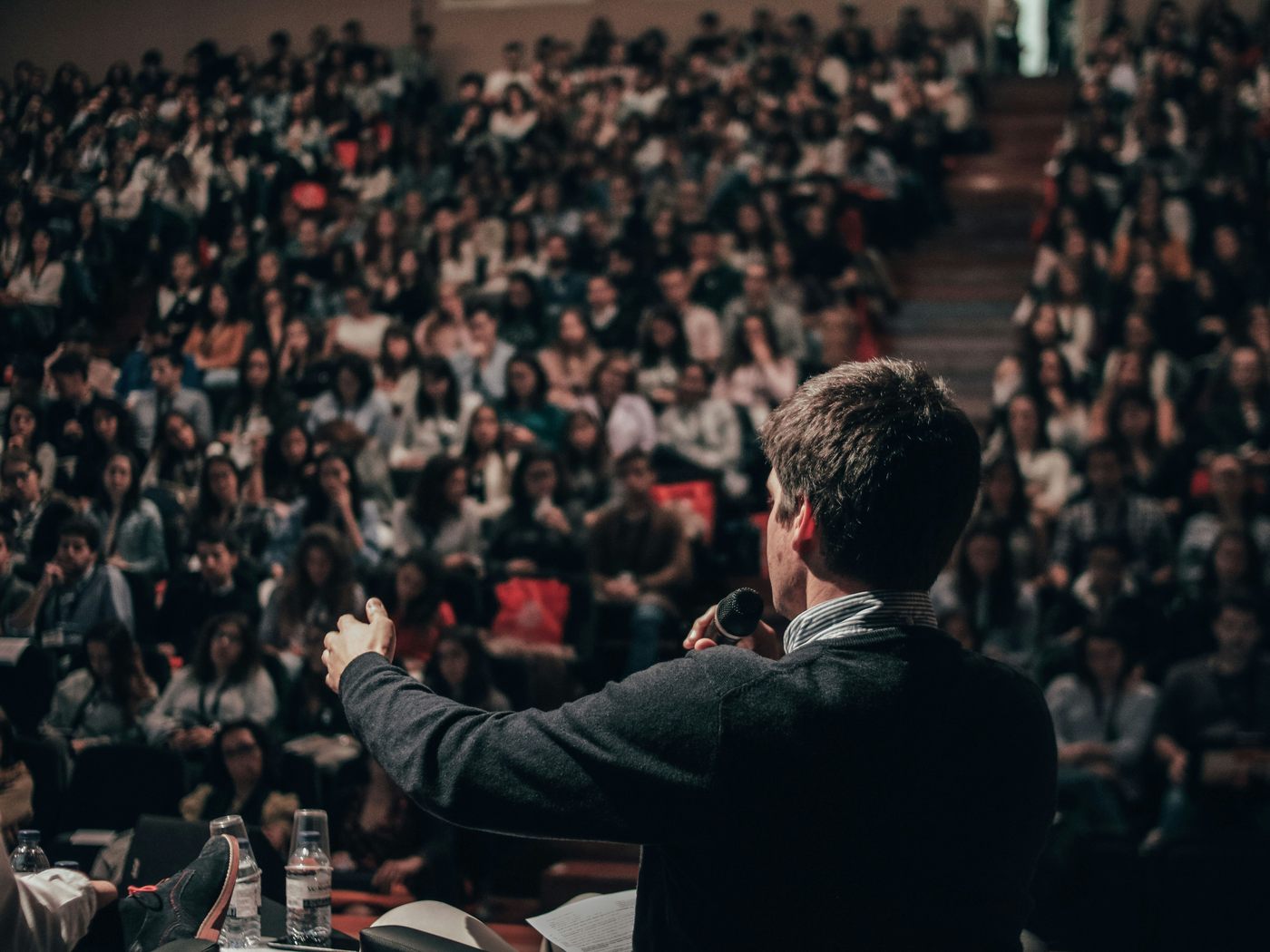
Large venues
A real stage, a big turnout, and press in the room.
Optional, host's choice
- Guest speakers
- Partner tables
- Panel discussion
- Video clips
- Local officials invited
- Customizable content
8 in 10
Americans – across party lines – want accountability for AI companies.
Fox News poll, 2026
Questions people ask
Do I need to be an expert on AI to be a presenter?
No. The slides and the script are provided, and they are written for someone doing this for the first time – you learn the material, you don't have to be an authority on it. Training is available if you want it, and it is not required.
Why November 14?
Scattered events are easy to ignore. The same day, everywhere, is a story. Saturday, November 14, 2026 falls right after the midterm elections, as a new season of American politics begins – one day, one message: commonsense rules for AI.
Is this partisan?
No. AI Reality Check is a project of Humans in Control, a nonpartisan 501(c)(3) that works across both parties. The ask – commonsense rules for AI – has support from Republicans, Democrats and independents alike.
Does it cost anything to host?
It shouldn't. A small stipend is available to cover promotional materials, venue hire and equipment rental. Ask when you apply.
Can I keep my event private?
Yes. Invite only friends and family if that is what you want. For public events, the AI Reality Check team will help recruit an audience and spread the word locally.
What if hardly anyone comes?
Ten neighbors in a living room is a real event, and it is the most common kind. A small room where people actually talk beats a big room where nobody does.
What happens after the event?
You report back – photos, sign-up sheets, and whatever local plans came out of the room. That is the part that turns a single event into something that keeps going.
Who is behind this?
Humans in Control, a nonpartisan 501(c)(3) calling for commonsense rules for AI. AI Reality Check is its nationwide campaign.
Bring it to your town
Give the presentation once, on one Saturday, to whoever you can get in a room. AI Reality Check supplies the slides, the script, the training and a stipend for your costs.
Become a presenterDon't want to present?
Send an email and you'll hear about events near you, and other ways to pitch in.
Email to get updatesStill thinking it over?
Get the updates and decide later.